
Nicole Kidman, Hollywood’s Chameleon, Only Wants to Look Like Herself
 Nicole KidmanPhoto: Getty ImagesSave this storySave this story
Nicole Kidman has received countless accolades in her decades-long career, thanks to her chameleon-like abilities on-screen. (Who can forget that prosthetic nose in The Hours?) Off-screen, though, she only wants to look and feel like herself.
“I’ve got to be able to walk a red carpet and feel comfortable,” she says, “feel like myself and feel very free. If I feel too confined, that won’t be good for anyone. That ability to feel free and normal in those really extreme situations, I’m wired for that now.”
It turns out that sense of freedom is not innate. It’s something that has come with age to Kidman, who is 59. “I started modeling at 14 and 15, and I started acting at the same time. I wanted to be an actress, but I was using the modeling to make money so that I could fund my acting,” she says. “People used to always say to me, ‘When you grow up, you’re gonna be so pretty. I was like, ‘Huh?’” The backhanded compliments did their damage. “I’d look in the mirror and I’d go, What does that mean? I wanna be pretty now. But I suppose I was a gawky kind of teenager.” Kidman, 5’10 even then, towered over her peers—“I was all arms and legs, and I didn’t have control over my body, in a way’” she says—and lamented not having pin-straight, blonde hair.
Those early tests to her confidence didn’t hamper her acting career; if anything they may have fueled it through an astonishing series of memorable roles. In 2026, she’s had another busy year (the new season of Lioness debuted this month, and the sequel to cult classic Practical Magic is slated for release in September). She also fronts a video series, The Many Sides of Radiance, a campaign for Clé de Peau Beauté, unveiled Monday, for which she has served as a spokesperson since last year. That series focuses on her acting work, her work as a producer, and her advocacy for fellow women film directors and actors.
 Nicole Kidman in Clé de Peau Beauté's “The Many Sides of Radiance” campaign.Courtesy of Clé de Peau Beauté
It’s what Kidman calls “the many sides of myself.” In pursuit of those different facets, she’s not a stranger to adventure, having done an Allure cover interview last year in a hyperbaric oxygen chamber. For her work on camera, she says, “I love the idea of creating a character. That’s what makeup costumes, hair, all of it—even changing the way you move, does.” Those are nuances she’s always been sensitive to. Prior to technicolor, she notes that movement coaches were de rigueur, and she’s enthused by their return. “They’re really utilizing how you can become different characters,” she says, “I have zero interest in playing myself on screen.”
Looking back, she sees those criticisms from her earlier days from a different vantage point. “I understand what they were saying, in a way,” she says of past critics. “But I feel pretty now. I just go, okay, well, this is who I am. I’m grateful to have what I have and to be able to use it. I also think because of my coloring and the way in which my face is structured, I can morph and change so easily because I don’t really have any dominant features.” She’s also found different ways to modify her beauty routine, in that vein. “I do dermaplane, which I’d never done,” she says. “I started that about a year ago, and I feel like my moisturizer goes on more easily, the serums that I use. I’d been scared of it because I thought it’s like shaving. But it just gives my skin this natural exfoliation.”
Other recent interests of Kidman’s go beyond beauty. A lover of tennis, she just finished watching Rafa, the Netflix documentary series on Rafael Nadal; reading Arundhati Roy’s memoir Mother Mary Comes to Me, and is knee deep in The Things We Never Say by Elizabeth Strout. “Some of those are odd recommendations,” she says recognizing the variances among her interests, “but that’s my cultural type.”
Everything You Need to Know About Hair Removal If You Have Psoriasis
 AdobeSave this storySave this story
While psoriasis can come with its fair share of everyday annoyances, hair removal should be a relative breeze as long as you don’t have an active flare-up. “The truth is that most people with psoriasis are not tremendously bothered by gentle hair removal as long as their psoriasis is controlled,” says Shira Y. Wieder, MD, a board-certified dermatologist at Montefiore Einstein Advanced Care in New York City.
Anyone who hasn’t found an effective method to ward off their psoriasis flares should take serious precautions before doing any type of hair removal, as it carries a real risk of triggering new plaques even in areas that weren’t affected before. However, if your psoriasis is well managed by prescription treatments, you’ll likely be able to shave, laser, wax, and pluck almost exactly like anyone else. “The risk of triggering new plaques drops but doesn’t fully disappear,” says Divya Shokeen, MD, a board-certified dermatologist and founder of OSVI Dermatology and Surgical Institute in California. Here are a few precautions to keep in mind to avoid irritating your skin and triggering a flare-up.
Meet the experts:
- Shailer Carruth is a licensed esthetician in Brattleboro, Vermont.
- Tracy Evans, MD, is a board-certified dermatologist and the medical director of Pacific Skin and Cosmetic Dermatology in California.
- Divya Shokeen, MD, is a board-certified dermatologist and founder of OSVI Dermatology and Surgical Institute in California.
- Shira Y. Wieder, MD, is a board-certified dermatologist at Montefiore Einstein Advanced Care in New York City.
In this story:
- How having psoriasis can affect hair removal
- The best hair removal methods for psoriasis-prone skin
- Hair removal methods to approach with caution
- What to do if hair removal causes a flare-up
How Having Psoriasis Can Affect Hair Removal
“It’s one word: Koebnerization,” Dr. Shokeen says of what can make hair removal trickier for people with any inflammatory condition like psoriasis, especially during an active flare. For people with psoriasis, the Koebner effect occurs when trauma stimulates the immune system to develop plaques, Dr. Wieder says. In other words, if your psoriasis is active and you suffer any sort of minor skin injury (like a nick from a razor or a burn from too-hot wax), you could see more psoriasis, especially if it’s close to a psoriatic plaque, Dr. Shokeen says.
She emphasizes that this does not mean your psoriasis is “spreading” because psoriasis is not an infectious disease (meaning it’s not contagious). Instead, these minor injuries can start a new inflammatory reaction anywhere on the body, especially if your psoriasis is not controlled by medication.
In addition to the risk of Koebnerization, people with psoriasis tend to have drier skin, which compromises the skin barrier, Dr. Shokeen says. This means the skin can become irritated fairly easily. As a result, it “tends to develop more redness, stinging, or lingering marks from things that a non-psoriatic patient would tolerate,” she explains.
With all of that in mind, the first step in safe hair removal should be to manage your psoriasis with prescription treatments, many of which can completely eliminate symptoms. This is especially true if you’re taking an injectable medication like the biologics Humira or Skyrizi, says Tracy Evans, MD, a board-certified dermatologist and the medical director of Pacific Skin and Cosmetic Dermatology in California. However, since psoriasis can only be managed and not cured, the risk of Koebnerization from hair removal remains for anyone with the condition, although it’s much lower in those cases.
On the flip side, if you’re still in the process of finding a psoriasis treatment that works for you, Dr. Shokeen says all hair removal methods carry a high risk. “Anything that’s causing repeated, mechanical trauma could potentially trigger your psoriasis.”
The Best Hair Removal Methods for Psoriasis-Prone Skin
If your psoriasis is well managed and the hair removal method is performed correctly, the dermatologists interviewed here agree you’ll likely be fine to use any method as long as you do so carefully. However, they note you should ideally speak with your own doctor before trying anything new. It will ultimately be a matter of trial and error to find which one works best for you, but these are a few safer options to consider.
Shaving
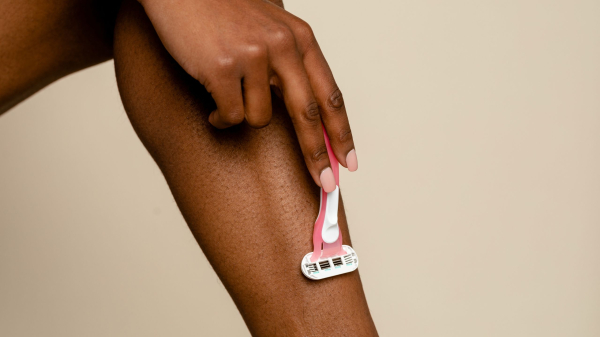
All three dermatologists interviewed for this piece agree that, aside from the risk of accidental cuts that could cause skin trauma, shaving is one of the safest hair removal methods for people with psoriasis. With shaving, “you’re [removing hair] above the follicle, not pulling it out,” Dr. Evans explains.
Dr. Wieder agrees and notes that it’s especially important for people with psoriasis to use a sharp razor and shave in the direction of hair growth rather than against the grain. Both will help ward off the irritation that can trigger Koebnerization. And if you’re trying to navigate around a psoriasis plaque, proceed with caution. “Avoid shaving off the scales because it’ll bleed underneath,” Dr. Wieder says.
Laser hair removal
Laser hair removal might sound like it carries a high risk of causing trauma, but the dermatologists interviewed agree it’s actually one of the safer options for psoriasis patients, as long as it is administered correctly. (Laser burns have the potential to cause, say it with us, Koebnerization.) “Even though you would think [a laser] would be traumatic to the hair follicle, it does seem to be safe,” Dr. Wieder says, pointing to studies on lasers that have shown their potential for treating psoriasis. Dr. Evans echoes this, noting that “heat and light” don’t seem to be an issue for people with psoriasis.
“I do laser hair removal on psoriasis patients all the time,” Dr. Shokeen says. She notes her preference for long-pulsed Nd:YAG lasers (1,064 nm), though she says diode lasers (about 800 to 810 nm) can also work if the settings are dialed down. Either way, it can be a tricky balance to get the levels just right, and the settings will need to be adjusted for each patient.
“If the energy of the device is too low, you’ll actually get hair regrowth,” she says. “It’s complicated to treat a psoriatic patient [with lasers], to say the least.” That’s why she always recommends that people who have psoriasis get laser hair removal in “a physician-supervised, medical-grade setting rather than a standard laser chain. There are more med spas than McDonald’s,” she says, noting her skepticism that all the people employed in those many locations would be fully trained to treat people with psoriasis.
Hair Removal Methods to Approach With Caution
As mentioned above, if your psoriasis is well controlled, you will likely be okay no matter how you remove unwanted hair as long as it’s done carefully. However, these methods carry some extra risks worth considering.
Depilatories
Hair removal creams (depilatories) may be a good option for someone with psoriasis because, like shaving, they don’t cause much trauma to the hair follicles. However, Dr. Wieder notes that these products can be irritating to many people, with or without psoriasis, so she always recommends a patch test beforehand on the areas where you plan to apply the depilatory. If you want to use it on your face, for example, Dr. Wieder recommends trying “some spots under the chin to see if you can tolerate it.”
Waxing
Although people with psoriasis can certainly get waxed, it’s the method that arguably comes with the most risk. “Waxing could pull on the skin and create microabrasions or tears,” says Dr. Evans. She says psoriasis is more likely to develop on areas that have been injured, even if the damage is minor. Dr. Evans also cautions that if the skin is damaged by waxing, new flare-ups could occur even in areas where you didn’t have plaques before.
For this reason, Shailer Carruth, a Vermont-based esthetician who specializes in Brazilian waxing, says she waxes with her eyes as well as her hands. “The first thing I do if I’m going to wax someone who has psoriasis is check for any broken skin,” she says.
If you’re going the DIY route, Carruth recommends using a hard wax, which adheres only to the hair, not the surrounding skin. A sticky strip wax, on the other hand, is going to exfoliate the top layer of skin, which could further aggravate a psoriatic flare-up.
Tweezing
“Plucking is very traumatic to the hair follicles,” Dr. Wieder says, so you’ll want to tweeze with caution if it is your preferred method. While Dr. Evans notes that it’s relatively uncommon to get psoriasis on the face, it’s not impossible, so you should think twice about plucking if you’re prone to getting plaques there.
What to Do If Hair Removal Causes a Psoriasis Flare-Up
Although hair removal is generally safe for people with controlled psoriasis, if you get any micro-injuries during the process, there is a small risk that it could trigger a flare-up. If that happens, Dr. Evans says you can use your topical prescription medication to treat the area. If the flare persists, reach out to your dermatologist.
Beginner’s Guide to Skin Care: How to Build Your Routine
 Photo: Adobe StockSave this storySave this story
If there is one certainty among the many, many uncertainties in our world right now, it is this: Taking the time to care for ourselves should no longer be considered an indulgence. Rather, for so many reasons, it is a necessity. With skin care, though, there is another undeniable truth: It can often feel overwhelming. "The skin-care market has really boomed in the last few years," says Sejal Shah, MD, a board-certified dermatologist. "While this is great because it gives us a variety of new ingredients and formulations, this can be really confusing for the consumer—especially a newbie."
So forget everything you’ve seen on TikTok and start here, with this simple, no-nonsense guide to building a skin-care routine. We consulted a team of dermatologists to walk us through exactly which products you need, how to use them, which ones to avoid, and when to level up.
In this story:
- The Basics
- Skin-Care 101: The Foundation of Your Routine
- Skin-Care 201: Extra Credit
The Basics
Start simple
They say a good chef must first master a simple omelet. Think of your skin-care routine as your omelet. After you have a solid foundational routine in place and know that you can stick to it, you can add ingredients, if you choose. “You don’t need a dozen products to have healthy skin,” says board-certified dermatologist Jenna Queller, MD. “In fact, the more products you introduce at once, the harder it becomes to know what’s actually helping and what’s causing irritation.”
It may not sound very exciting, but keeping to the essentials and avoiding trendy ingredients or methods is your best bet. “Social media often promotes products that aren’t appropriate for everyone,” Dr. Queller says. Instead, she recommends “choosing products based on your skin type and concerns, rather than what’s currently popular online.”
Consider your skin type
Dr. Queller says she frequently sees people using products designed for someone else's skin type. “A friend’s favorite product may not be appropriate for your skin, and what works well for one person can cause irritation or breakouts for another.”
Introduce one product at a time
Start simple and slow. “I recommend introducing only one new product every two to four weeks,” says board-certified dermatologist Kseniya Kobets, MD. “That way, if you develop irritation, it’s much easier to identify the culprit instead of guessing between five new products.”
Stay consistent
Sticking with your routine—provided you don't have any reactions to the products—is key to seeing results. “One of the biggest misconceptions is that skin care works overnight,” says Dr. Queller. “Most active ingredients need at least six to 12 weeks of consistent use before you see meaningful improvement.”
Don’t be afraid to ask for help
You don’t have to do this alone. If you’re dealing with issues like persistent acne, eczema, rosacea, melasma, or just want to fact-check your routine, it’s worth visiting a dermatologist. “A personalized treatment plan can often save months of frustration,” says Dr. Queller, “and help you achieve better results more quickly.”
Skin-Care 101: The Foundation of Your Routine
Step 1: Cleanse
You can’t cook an omelet in a dirty pan (well, you can, but it wouldn’t pass a health inspection). Using a gentle cleanser twice per day—once in the morning, once in the evening—is where you should start.
Cleansing in the morning will help remove any evidence of sweat or oil left from your beauty sleep, says board-certified dermatologist Divya Shokeen, MD. If you have very dry or sensitive skin, you can skip the product and just rinse your face with water in the morning to keep things as gentle as possible; but cleansing in the evening is a nonnegotiable, since you’ll have accumulated a day’s worth of all kinds of pore-clogging culprits (makeup, sweat, dead skin cells, and other debris). Plus, Dr. Queller notes, “a properly cleansed face allows the rest of your skin-care products to work more effectively.”
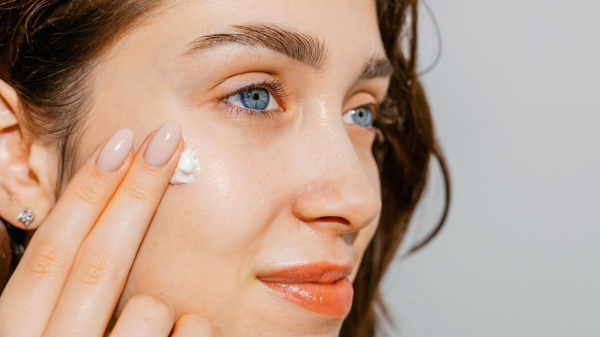
Lukewarm water is best, as hot water can cause redness or irritation. And though you may see all manner of scrubbers, washcloths, and brushes online, Dr. Queller says good old-fashioned fingertips are the best option, as brushes can be harsh on the skin and bristles or fabric collect bacteria over time. “Massage the cleanser into the skin for about 30 to 60 seconds before rinsing,” she says.
Choosing a facial cleanser for this step depends entirely on your skin type. When in doubt, though, “any skin type will tolerate a hydrating cleanser,” says board-certified dermatologist Michele Farber, MD.
Oily skin
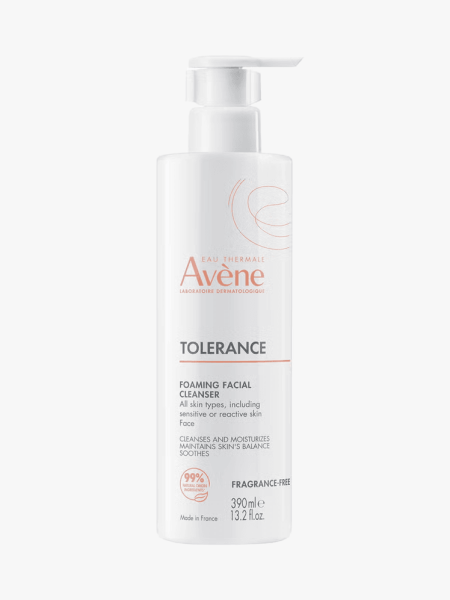
For oily skin types Dr. Kobets recommends a foaming cleanser, because the lather literally breaks down and lifts away excess oil and dirt from your pores, which, left uncleansed, would eventually lead to a breakout. She suggests Avène Tolerance Foaming Facial Cleanser—formulated with trusty hydrating ingredients like niacinamide and glycerin—as the foaming action doesn’t strip away too much moisture.
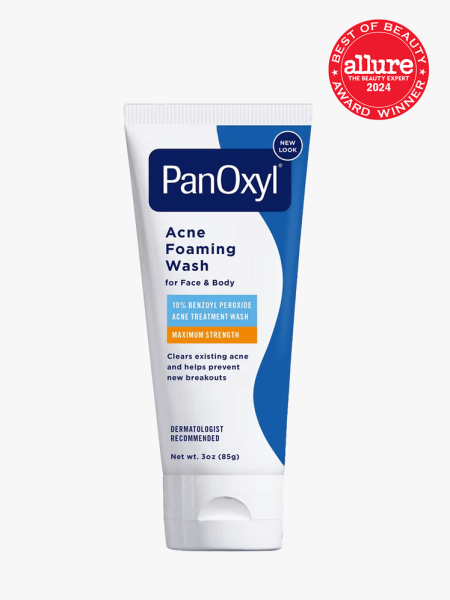
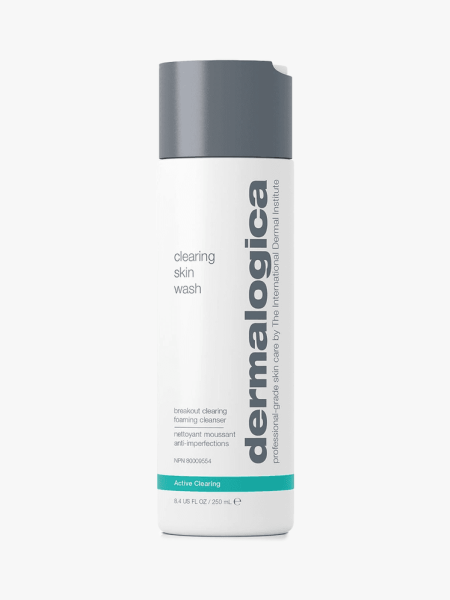
For those battling breakouts or acne, a more targeted cleanser could do the trick. PanOxyl Acne Foaming Wash uses a high concentration of benzoyl peroxide, which, Dr. Kobets says, can help kill acne-causing bacteria. Or try Dermalogica Acne Clearing Skin Wash, which is formulated with salicylic acid and clears away buildup in your pores.
 Save to wishlist
Avène
Tolerance Foaming Facial Cleanser
Amazon
Dermstore
Ulta Beauty
 Save to wishlist
Panoxyl
Acne Foaming Wash
Amazon
 Save to wishlist
Dermalogica
Acne Clearing Skin Wash
Amazon
Ulta Beauty
Dry skin
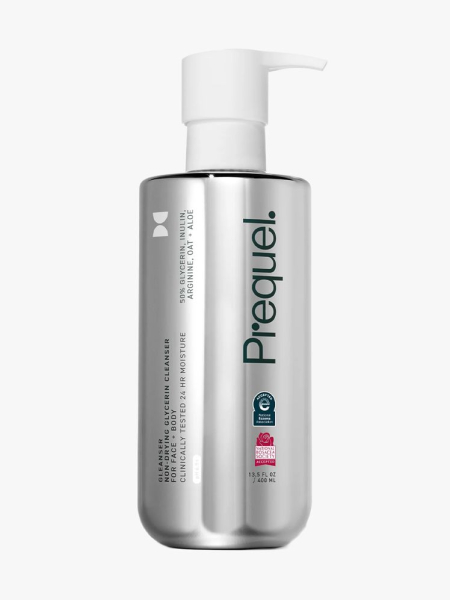
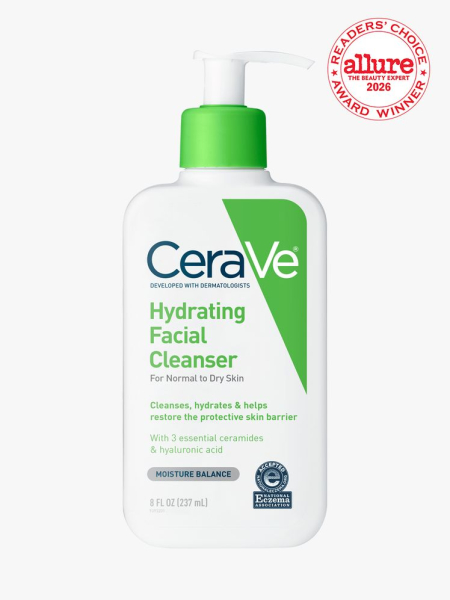
“If your skin feels tight after washing, opt for a hydrating cleanser,” says Dr. Kobets, who recommends Prequel Gleanser and CeraVe Hydrating Cleanser. They contain the same type of hydrating ingredients, like hyaluronic acid and glycerin, you might see in moisturizers.
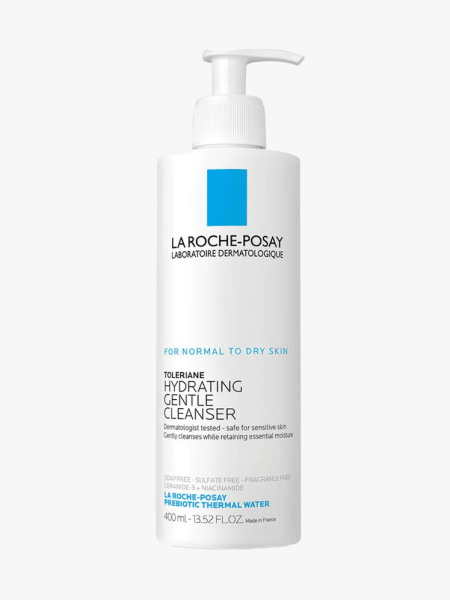
Dr. Queller seconds the CeraVe cleanser suggestion, but also recommends La Roche-Posay Toleriane Hydrating Gentle Cleanser: “They’re both excellent options because they contain ceramides and other moisturizing ingredients that help support the skin barrier while leaving the skin clean, soft, and hydrated, rather than tight or dry,” she says.
 Save to wishlist
Prequel
Gleanser
Amazon (2-Pack)
 Save to wishlist
CeraVe
Hydrating Cleanser
Amazon
Ulta Beauty
 Save to wishlist
La Roche-Posay
Toleriane Hydrating Cleanser
Amazon
Ulta Beauty
Sensitive skin
Hydrating cleansers are usually good options for those prone to inflammation, but be sure they don’t include any added fragrance, essential oils, or botanical extracts. “They can be common causes of allergic reactions and irritation,” says Dr. Queller, who recommends Vanicream Gentle Facial Cleanser because “it gently cleanses the skin without compromising the skin barrier.” Opting for a cleanser with soothing ingredients like aloe or oat extract, found in Tower 28 SOS Gentle Hydrating Gel Cleanser, can help calm down an active flare-up.
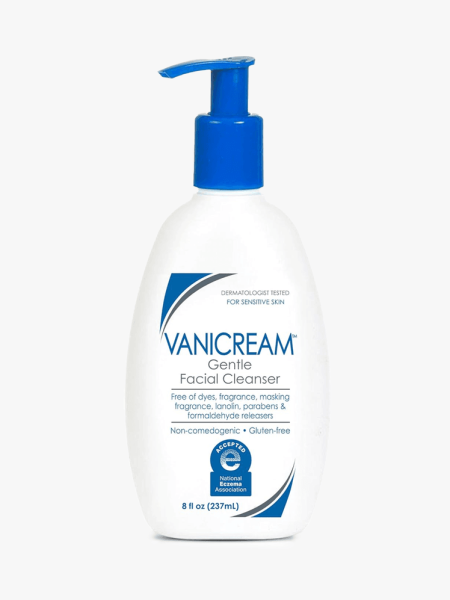 Save to wishlist
Vanicream
Gentle Facial Cleanser
Amazon
Ulta Beauty
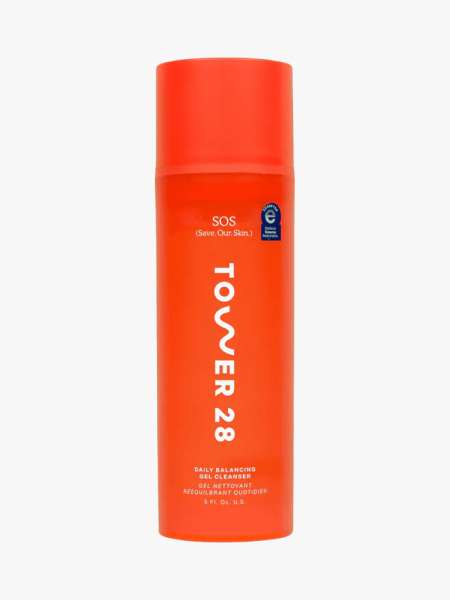 Save to wishlist
Tower 28
SOS Gentle Hydrating Gel Cleanser
Amazon
Sephora
Credo Beauty
Step 2: Moisturize
Now that you have a clean slate, it’s time to start feeding your skin the good stuff. “Moisturizer is an important step for every skin type, not just dry skin,” says Dr. Queller. “It helps support the skin barrier, prevent water loss, and keep skin balanced.”
Apply moisturizer while your skin is still slightly damp from cleansing to lock in that hydration, making sure to cover the face and neck, she adds.
Oily skin
If you have oily or acne-prone skin, please don't think you can (or should) skip daily moisturizer use. Says Dr. Shokeen, "Over-washing without the appropriate use of a moisturizer will actually trigger an over-production of oil on your skin."
Dr. Farber explains further: "No matter how oily or acne-prone your skin may feel, it will become dry without rehydration, and dried-out skin is irritated skin."
However, those with oily skin should seek out moisturizers that are labeled “noncomedogenic,” meaning a product that does not contain ingredients known to clog pores and cause more breakouts, Dr. Shokeen explains. Dr. Shokeen, Dr. Queller, and Dr. Kobets all recommend Neutrogena Hydro Boost Water Gel, a hydrating but lightweight gel-based moisturizer.
“Formulations containing larger amounts of dimethicone or richer emollients can become overly occlusive in acne-prone individuals and worsen congestion,” Dr. Kobets notes. “I generally recommend gels or lotion for patients who are oily or prone to breakouts.” If you need a slight step up from gel hydration, a lotion formula (like the CeraVe Daily Moisturizing Lotion) is a good middle ground between gel and dense cream.
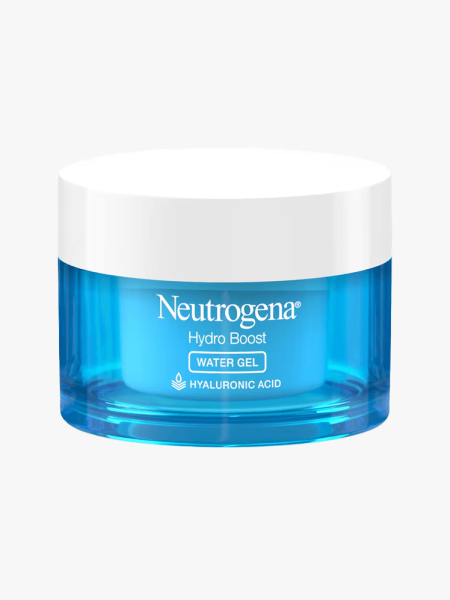 Save to wishlist
Neutrogena
Hydroboost Water Gel
Ulta Beauty
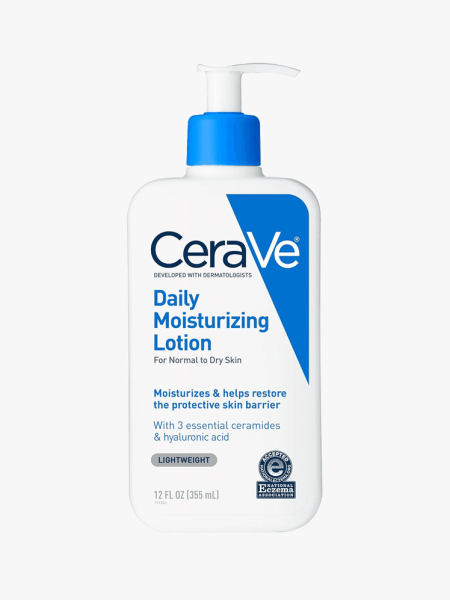 Save to wishlist
CeraVe
Daily Moisturizing Lotion
Amazon
Ulta Beauty
Dry or sensitive skin
Unlike oily skin, dry or inflamed skin can actually benefit from a richer cream that contains oils or lipids to help restore a damaged skin barrier. Look for “barrier-supporting ingredients like glycerin, ceramides, niacinamide, or squalane,” says Dr. Kobets.
Skinfix Triple Lipid Peptide Cream is packed with ceramides and fatty acids to help replenish moisture, and a humectant blend to help lock it in. Kiehl's Ultra Facial Cream is formulated with squalane, a lipid used to seal in moisture, and Aestura Atobarrier365 Hydro Soothing Cream features compressed hyaluronic acid for moisture and super rich dimethicone as an emollient.
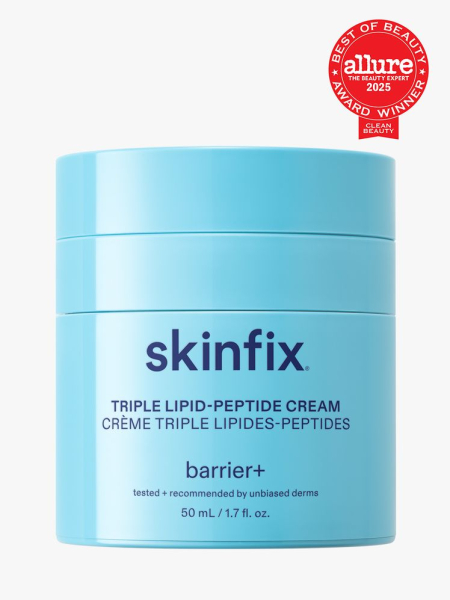 Save to wishlist
Skinfix
Triple Lipid Peptide Cream
Ulta Beauty
Sephora
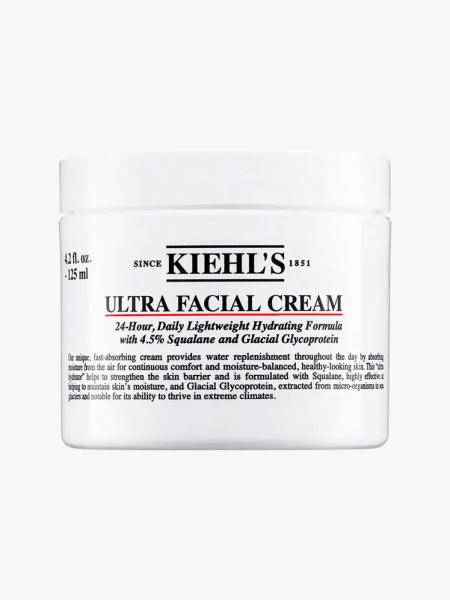 Save to wishlist
Kiehl's
Ultra Facial Cream
Amazon
Nordstrom
Ulta Beauty
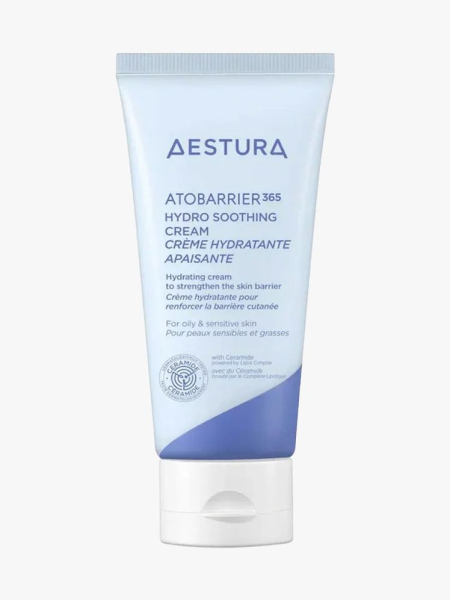 Save to wishlist
Aestura
AtoBarrier365 Hydro Soothing Cream
Amazon
Sephora
Step 3: Protect
In the evening, steps one and two (cleansing and moisturizing) are truly all you need before bed. But in the morning, you should be adding a third step: SPF. "Sunscreen is your first line of defense and protection against skin cancer," Dr. Farber explains. "If you were to do nothing else for your skin, sun protection is the most important."
Opt for using a broad-spectrum sunscreen—a formula that protects your skin from UVA and UVB rays—every day, with at least SPF 30, no matter what your plan is. “You’re always getting intermittent UV exposure throughout the day—walking to your car, loading groceries, or driving,” says Dr. Kobets. Sitting on the couch all day? Surprise! You still have windows. There is truly no situation in which you should skip this step.
While an SPF 100 does block slightly more UVB radiation, it does not protect twice as well or last twice as long. “What matters much more is applying enough sunscreen—about one-half teaspoon for the face and neck—and reapplying every two hours when you’re outdoors or after swimming or sweating,” says Dr. Kobets. “I’d much rather see someone apply SPF 30-50 correctly and reapply it than use SPF 100 once in the morning and forget about it.”
Oily skin
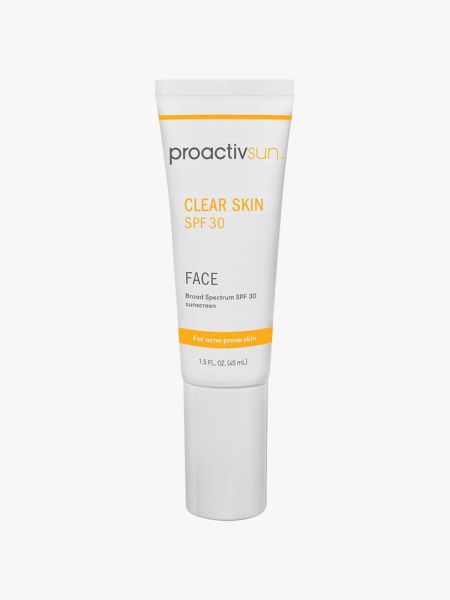
The market isn’t short on lightweight, oil-free SPF options. Shiseido Urban Environment Oil-Free SPF is a good bet, says Dr. Kobets of the mineral formula that doesn’t leave a white cast. We also recommend the Proactiv Clear Skin SPF 30, which has a matte finish to help combat any greasiness.
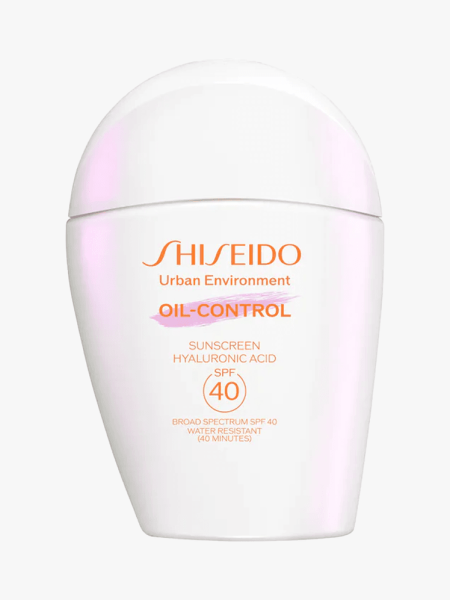 Save to wishlist
Shiseido
Urban Environment Oil-Free Mineral Sunscreen
Amazon
Nordstrom
Ulta Beauty
 Save to wishlist
Proactiv
Clear Skin SPF 30
Amazon
Ulta Beauty
Dry skin
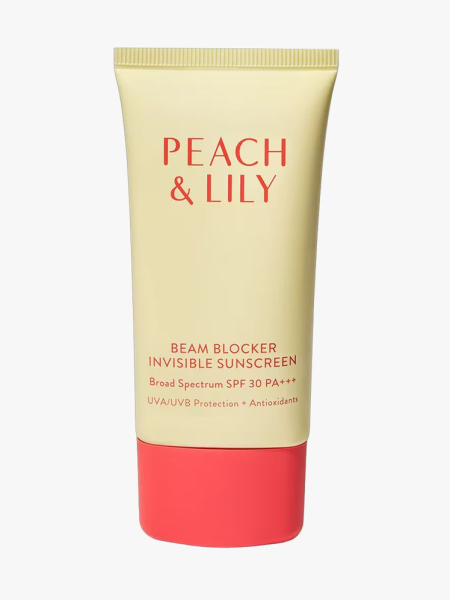
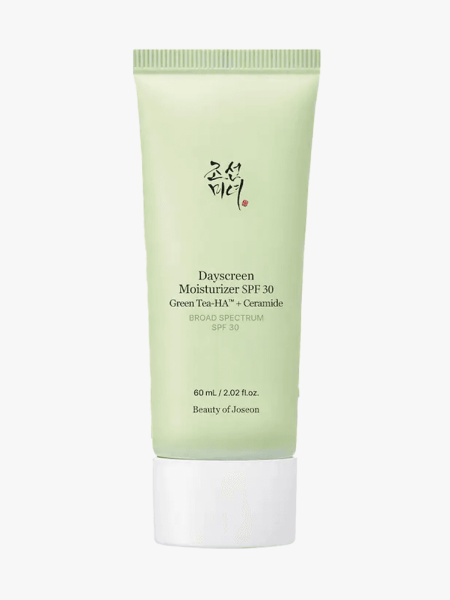
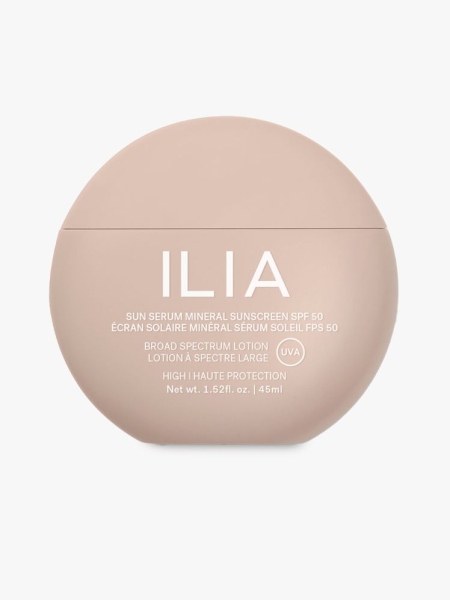
Peach and Lily Beam Blocker Invisible Sunscreen contains ceramides, squalane, niacinamide, and aloe to help soothe and hydrate your skin, and Beauty of Joseon Dayscreen SPF 30 Moisturizer is a hydrating, lightweight option formulated with hyaluronic acid. If you want a little color in your SPF, Ilia Sun Serum Mineral Sunscreen has a super subtle tint, and it’s formulated with hyaluronic acid.
 Save to wishlist
Peach & Lily
Beam Blocker Invisible Sunscreen SPF 30
Ulta Beauty
 Save to wishlist
Beauty of Joseon
Dayscreen Moisturizer SPF 30
Sephora
 Save to wishlist
Ilia
Sun Serum Mineral Sunscreen
Amazon
Nordstrom
Ulta Beauty
Sensitive skin
For reactive skin, Dr. Queller likes MD Solar Sciences Mineral Crème SPF 50, which is fragrance-free and noncomedogenic. If you have rosacea or are dealing with redness, there are plenty of sensitive-skin-friendly SPFs that have color correction built in, such as EltaMD UV Skin Recovery Red Color Correcting Green Tint SPF 50.
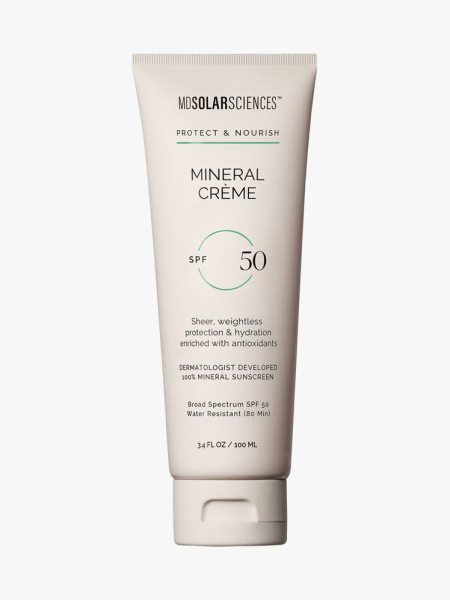 Save to wishlist
MDSolarSciences
Mineral Cream SPF 50
Amazon
Nordstrom
Dermstore
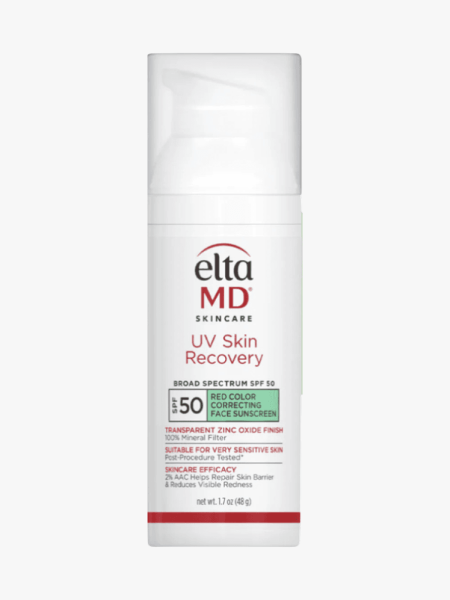 Save to wishlist
EltaMD
UV Skin Recovery Red Color Correcting Green Tint SPF 50
Amazon
EltaMD
Skin-Care 201: Extra Credit
With cleansing, moisturizing, and SPF, you have everything you need to get started. After you’ve mastered that omelet, though, you may want to add a few extra steps, such as products that target specific issues you may have.
Exfoliants
Exfoliating as part of the cleansing step—physically or chemically—can help slough away excess buildup and improve dull skin. But it’s easy to overdo it and leave your skin in worse condition than when you started. “If you use a physical scrub, be very gentle, and limit it to every one to two weeks,” says Dr. Kobets. “I also wouldn’t use it on the same day you’re introducing a new product or using a retinoid.”
Chemical exfoliants leave a little less room for error and abrasion, but are best used after consulting with a dermatologist.
Serums
Facial serums are high-potency, lightweight topicals that are formulated with a higher concentration of active ingredients to target more specific skin concerns. They’re meant to be sandwiched between your cleanser and your moisturizer.
“Treat what you actually have,” says Dr. Kobets. So if you’re dealing with dry skin, opt for a hyaluronic acid serum. For brightening or treating pigmentation, try adding a vitamin C serum to your routine, she says. Just don’t feel like you need to add serum after serum just for the sake of it.
Masks
“Think of masks as occasional treatments rather than necessities,” says Dr. Kobets. “Hydrating masks containing ingredients like glycerin, hyaluronic acid, squalane, and niacinamide—without added fragrance or botanicals—are my go-to. For most people, they’re more useful than aggressive exfoliating masks. They’re also great before a night out or before applying makeup, especially right after a shower, to give the skin an extra boost of hydration.”
Retinoids
“Retinoids are one of the most well-studied ingredients for treating acne, fine lines, uneven pigmentation, and improving overall skin texture,” says Dr. Queller. “I recommend starting slowly by applying a retinoid two nights per week, and gradually increasing frequency as your skin tolerates it.” Retinoids should always be followed by moisturizer, she adds, and used consistently with daily sunscreen, because they can be sensitizing.
Meet the experts:
- Michele Farber, MD, is a board-certified dermatologist based in New York City.
- Kseniya Kobets, MD, is a board-certified dermatologist and director of cosmetic dermatology at Montefiore Einstein Advanced Care Dermatology.
- Jenna Queller, MD, is a board-certified dermatologist based in Boca Raton, FL.
- Sejal Shah, MD, is a board-certified dermatologist based in New York City.
- Divya Shokeen, MD, is a board-certified dermatologist based in Manhattan Beach, CA.
Additional reporting by Rebecca Dancer.